Views: 9
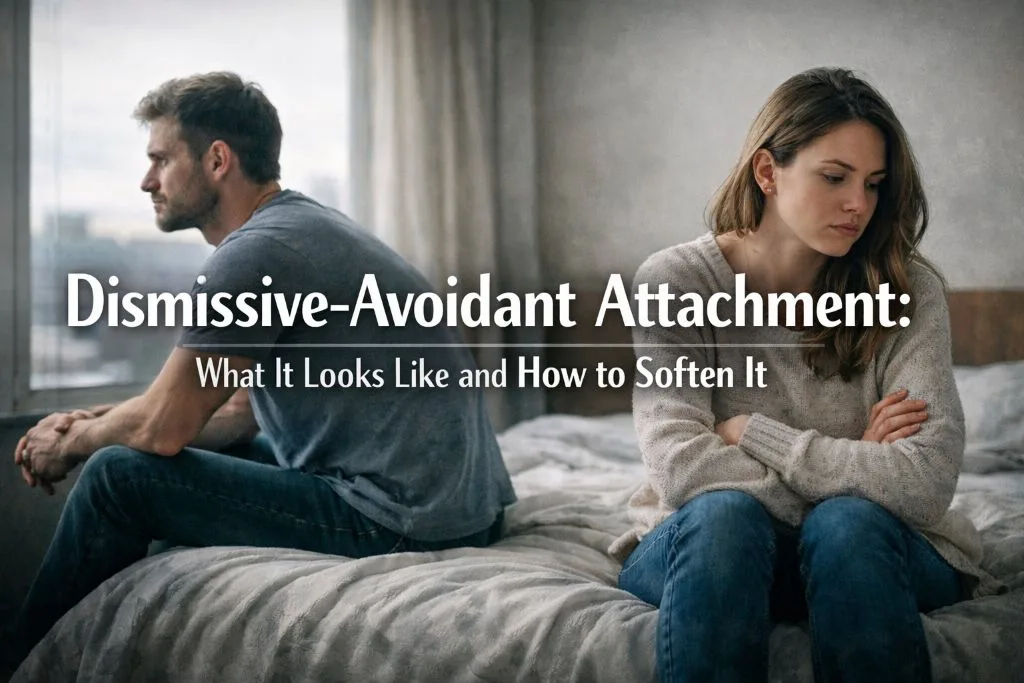
Dismissive-avoidant attachment can look like independence, but it often hides a fear of closeness. Learn the signs, where it comes from, and how to build warmer, more secure relationships.
Table of Contents
- Introduction to Dismissive-Avoidant Attachment
- What Is Dismissive-Avoidant Attachment?
- Where Dismissive-Avoidant Attachment Comes From
- What Dismissive-Avoidant Attachment Looks Like in Relationships
- The Dismissive-Avoidant Person’s Inner World
- How Dismissive-Avoidant Attachment Affects Partners
- Can a Dismissive-Avoidant Person Change?
- How to Communicate With a Dismissive-Avoidant Partner
- How Dismissive-Avoidant People Can Soften
- Dismissive-Avoidant Attachment and Parenting
- Frequently Asked Questions About Dismissive-Avoidant Attachment
- What is dismissive-avoidant attachment?
- What are the signs of a dismissive-avoidant partner?
- Is dismissive-avoidant the same as avoidant attachment?
- Can a dismissive-avoidant person fall in love?
- Can a dismissive-avoidant person change?
- Why does my dismissive-avoidant partner pull away?
- How do I communicate with a dismissive-avoidant partner?
- What is the best therapy for dismissive-avoidant attachment?
- How does dismissive-avoidant attachment affect parenting?
- Should I stay with a dismissive-avoidant partner?
- Conclusion on Dismissive-Avoidant Attachment
Introduction to Dismissive-Avoidant Attachment
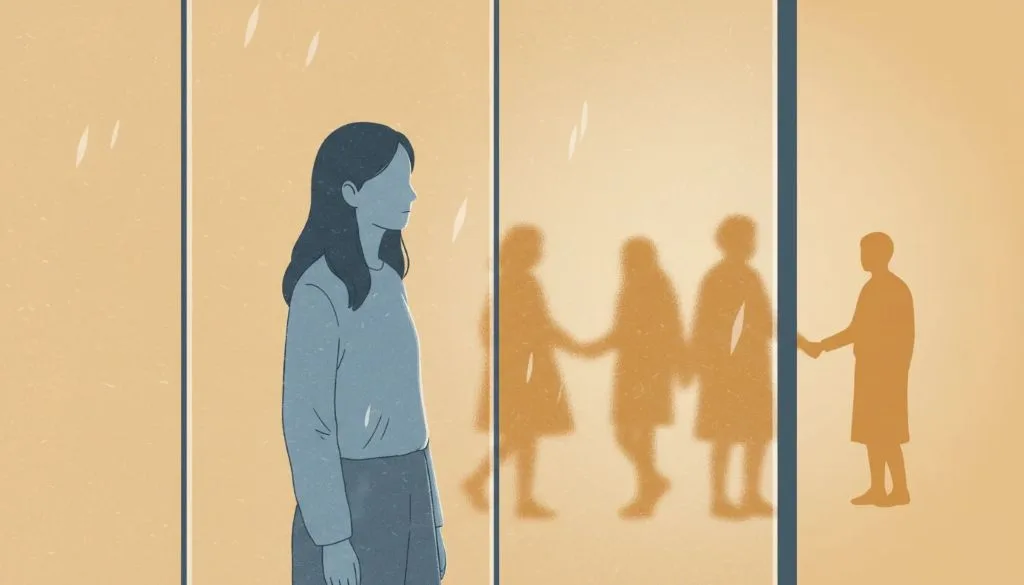
Independence is usually a good thing. We admire people who can stand on their own, solve their own problems, and keep their emotions in check. But sometimes independence becomes a wall. The person looks strong on the outside while keeping everyone at a safe distance on the inside.
This is the heart of dismissive-avoidant attachment.
As a father who writes about relationships, attachment, and emotional health, I have come to see this pattern clearly. It shows up in marriages, in friendships, in the way parents raise children, and in the way some men learn to handle stress. Dismissive-avoidant attachment is not a personality flaw. It is a survival strategy that once made sense and now gets in the way of connection.
In this post, I will explain what dismissive-avoidant attachment is, how it develops, what it looks like in real life, and how people with this pattern can begin to soften toward safer, warmer relationships.
If you want a broader view of avoidant attachment, read my post on Avoidant Attachment Style. If you are in a relationship where one partner pursues and the other withdraws, my post on Anxious-Avoidant Relationship will also help.
What Is Dismissive-Avoidant Attachment?
Dismissive-avoidant attachment is one of the four main adult attachment styles. People with this style value independence highly and often feel uncomfortable with emotional closeness. They tend to minimize their need for others, suppress vulnerable feelings, and pull away when relationships become too intense.
Psychologists often describe dismissive-avoidant individuals as:
- Self-reliant to a fault
- Uncomfortable with deep emotional expression
- Quick to dismiss relationship problems
- Likely to withdraw during conflict
- Slow to trust or depend on others
This does not mean they do not want love. Most do. But their early experiences taught them that relying on others leads to disappointment, control, or loss. So they learned to rely only on themselves.
Dr. Amir Levine and Rachel Heller, authors of Attached, explain it this way:
“Avoidants equate intimacy with a loss of independence and constantly try to minimize closeness.”
That sentence captures the daily struggle. Closeness feels like a threat. Independence feels like safety.
Where Dismissive-Avoidant Attachment Comes From
Attachment patterns usually form in childhood. A child with dismissive-avoidant tendencies often grew up in an environment where emotional needs were ignored, dismissed, or punished.
Common childhood backgrounds include:
- Parents who valued self-sufficiency over emotional expression
- Caregivers who were physically present but emotionally distant
- A family culture where vulnerability was seen as weakness
- Repeated experiences of rejection when the child asked for comfort
- A parent who relied on the child to be strong or independent too early
Over time, the child learns a simple lesson: My needs do not matter, and depending on people is risky.
To survive, the child stops asking. They become their own source of comfort, validation, and problem-solving. This works in childhood. It becomes a problem in adult relationships.
What Dismissive-Avoidant Attachment Looks Like in Relationships
Dismissive-avoidant attachment is not always obvious at first. In fact, many dismissive-avoidant people are charming, successful, and fun to be around. The pattern shows up more clearly as the relationship deepens.
In Romantic Relationships
- They may avoid talking about feelings or future plans
- They pull away after moments of closeness
- They need a lot of alone time
- They dismiss their partner’s concerns as “too emotional”
- They struggle to say “I love you” or offer reassurance
- They may keep secrets or maintain emotional walls
In Marriage
- Conflict often ends in silence or withdrawal
- The partner may feel lonely even when living together
- Physical intimacy may exist without emotional intimacy
- Big decisions are made alone
- The dismissive-avoidant spouse may seem checked out
In Parenting
- They may provide materially but struggle emotionally
- They encourage independence in children early
- They may feel uncomfortable with a child’s tears or neediness
- They can appear cold or distant during stressful parenting moments
- Their children may grow up feeling they must not need too much
In Friendships
- They keep friendships surface-level
- They avoid deep conversations
- They disappear when friends need emotional support
- They may seem flaky or emotionally unavailable
The Dismissive-Avoidant Person’s Inner World
From the outside, the dismissive-avoidant person can look uncaring. From the inside, the picture is different.
Many dismissive-avoidant people experience:
- Loneliness they do not admit
- A fear of being controlled or trapped
- Shame about needing help
- Anxiety they mask with busyness
- A deep longing for connection they do not know how to express
They are not heartless. They are guarded. Their independence is both armor and prison.
Dr. Sue Johnson, developer of Emotionally Focused Therapy, writes:
“Underneath the avoidant’s cool, self-sufficient exterior is often a person who is afraid that if they let anyone in, they will be judged, found wanting, or abandoned.”
That fear drives the withdrawal. It is not rejection of others. It is protection of self.
How Dismissive-Avoidant Attachment Affects Partners
Being in a relationship with a dismissive-avoidant partner can be painful. The partner often feels:
- Invisible or unimportant
- Rejected after moments of closeness
- Confused by mixed signals
- Lonely even in the relationship
- Like they are always chasing connection
Over time, the partner may either become anxious and pursue more or shut down emotionally. This can turn the relationship into the anxious-avoidant cycle I described in my post on Anxious-Avoidant Relationship.
If you recognize yourself as the partner of a dismissive-avoidant person, your needs are valid. You are not too much. But you may need to learn new ways to communicate and set boundaries.
Can a Dismissive-Avoidant Person Change?
Yes. Attachment styles are not fixed for life. They can shift through new experiences, self-awareness, and intentional practice.
Change does not mean becoming someone else. It means learning that closeness does not have to mean danger. It means discovering that needing someone is not weakness. It means building relationships where independence and connection can coexist.
Healing usually involves:
- Recognizing the pattern
- Understanding its origin
- Learning to name emotions
- Practicing vulnerability in safe relationships
- Setting healthier boundaries
- Working with a therapist when needed
Change is possible, but it takes time. It also requires the person to want it. No one can force a dismissive-avoidant person to open up.
How to Communicate With a Dismissive-Avoidant Partner
If your partner has dismissive-avoidant tendencies, here are practical ways to improve communication.
1. Do Not Chase
Pursuing harder usually makes them pull back further. Give them space to come toward you.
2. Use Clear, Calm Language
Avoid emotional flooding. Say exactly what you need without blame.
Example: “I would like us to spend 20 minutes talking tonight. I feel more connected when we do.”
3. Respect Their Need for Space
Space is not rejection for them. It is regulation. Let them know you understand, and agree on a time to reconnect.
4. Avoid Criticism
Criticism triggers their defense system. Focus on behavior, not character.
Instead of: “You are so cold and distant.”
Try: “When you go silent during conflict, I feel shut out.”
5. Do Not Take Withdrawal Personally
This is hard. But withdrawal is usually about their fear, not your worth.
6. Set Boundaries
You can be understanding without abandoning your own needs. Decide what you require to feel safe and respected.
How Dismissive-Avoidant People Can Soften
If you recognize yourself in this pattern, here are steps toward change.
Step 1: Admit the Cost
Ask yourself honestly: Is my independence keeping me from the connection I actually want?
Step 2: Notice the Withdrawal
Pay attention to the moments you pull away. What triggered it? What were you feeling underneath?
Step 3: Name the Emotion
Instead of saying “I am fine,” practice naming what is really there.
- “I feel overwhelmed.”
- “I feel scared.”
- “I feel like I am failing.”
Step 4: Take Small Risks
Vulnerability does not mean pouring your heart out. It means letting someone see one real thing about you.
Step 5: Let People Help
Start accepting small offers of support. Let someone bring you food, listen to your day, or help with a task.
Step 6: Apologize When You Withdraw
If you shut down, come back and name it. “I pulled away yesterday. I was overwhelmed. I am sorry.”
Step 7: Consider Therapy
A therapist can help you explore the roots of your avoidance and practice new ways of relating. For more, see my post on Attachment Styles Therapy.

Dismissive-Avoidant Attachment and Parenting
This pattern matters deeply for fathers and mothers. A dismissive-avoidant parent may love their children but struggle to show warmth, comfort, and emotional attunement.
Children need to know their needs are welcome. When a parent consistently responds to distress with distance, the child may learn to hide their feelings. They may grow up believing that love is conditional on self-sufficiency.
If you are a parent with dismissive-avoidant tendencies, healing is one of the greatest gifts you can give your children. You do not have to be perfectly emotional. You just have to be present, curious, and willing to repair when you miss the mark.
For more on building emotional safety with children, read my post on How to Build Confidence in Children.
Download Dismissive-Avoidant Attachment Reflection Worksheet
Frequently Asked Questions About Dismissive-Avoidant Attachment
What is dismissive-avoidant attachment?
Dismissive-avoidant attachment is an adult attachment style marked by high independence, discomfort with emotional closeness, and a tendency to withdraw from intimacy. It often develops when a child’s emotional needs were ignored or dismissed.
What are the signs of a dismissive-avoidant partner?
Common signs include avoiding deep conversations, pulling away after closeness, needing a lot of alone time, dismissing emotional concerns, difficulty expressing love or reassurance, and withdrawing during conflict.
Is dismissive-avoidant the same as avoidant attachment?
Dismissive-avoidant is a subtype of avoidant attachment. Some models also include fearful-avoidant attachment, which combines avoidant and anxious tendencies. For a broader overview, see my post on Avoidant Attachment Style.
Can a dismissive-avoidant person fall in love?
Yes. Dismissive-avoidant people can love deeply. Their challenge is not feeling love. It is allowing themselves to depend on someone, express vulnerability, and tolerate the risk of closeness.
Can a dismissive-avoidant person change?
Yes. Attachment styles can change through self-awareness, new relational experiences, therapy, and consistent practice. Change takes time and usually requires the person to want it.
Why does my dismissive-avoidant partner pull away?
Pulling away is usually a defense against feeling overwhelmed, vulnerable, or trapped. It is not necessarily a sign that they do not care. It is often a protective response.
How do I communicate with a dismissive-avoidant partner?
Use calm, clear language. Avoid blame and emotional flooding. Respect their need for space. Set boundaries for your own needs. Do not take their withdrawal personally.
What is the best therapy for dismissive-avoidant attachment?
Therapies that focus on attachment, such as Emotionally Focused Therapy (EFT), psychodynamic therapy, and schema therapy, can be helpful. Individual therapy is often a good starting point.
How does dismissive-avoidant attachment affect parenting?
A dismissive-avoidant parent may struggle to offer emotional warmth and comfort. Children may learn to suppress their needs. Healing the parent’s attachment pattern helps create a more secure environment for the child.
Should I stay with a dismissive-avoidant partner?
That depends on whether both partners are willing to grow. If your partner refuses to acknowledge the pattern or work on the relationship, you may need to consider your own emotional wellbeing. You cannot force someone to change.

Conclusion on Dismissive-Avoidant Attachment
Dismissive-avoidant attachment is not a life sentence. It is a pattern. And patterns can change.
The person who seems distant, cold, or self-sufficient may simply be someone who learned early that needing people was dangerous. Their independence is real, but so is their loneliness. Their strength is visible, but so is their fear.
If this is you, the work is not to become dependent. It is to become brave enough to need someone and trust that you will not disappear. If this is your partner, the work is to communicate with clarity, respect their pace, and protect your own heart.
Healing attachment wounds is slow, but it is possible. One honest conversation, one returned text, one moment of staying instead of leaving — these are the small steps that rebuild trust.
Your next step: Download the free Dismissive-Avoidant Attachment Reflection Worksheet and start identifying your patterns today. For related reading, explore my posts on Avoidant Attachment Style, Anxious Attachment Style, and Anxious-Avoidant Relationship.
Download Dismissive-Avoidant Attachment Reflection Worksheet
References
- Levine, A., & Heller, R. (2010). Attached: The New Science of Adult Attachment and How It Can Help You Find—and Keep—Love.
- Johnson, S. (2008). Hold Me Tight: Seven Conversations for a Lifetime of Love. Little, Brown Spark.
- Bowlby, J. (1988). A Secure Base: Parent-Child Attachment and Healthy Human Development. Basic Books.
- Fraley, R. C., & Shaver, P. R. (2000). Adult romantic attachment: Theoretical developments, emerging controversies, and unanswered questions. Review of General Psychology.
- Bartholomew, K., & Horowitz, L. M. (1991). Attachment styles among young adults: A test of a four-category model. Journal of Personality and Social Psychology.