Views: 11
Stuck in an anxious-avoidant relationship? Learn why the pursue-withdraw cycle happens, how it affects both partners, and practical steps to break the pattern and build a secure connection.
Table of Contents
- Introduction to Anxious-Avoidant Relationship
- What Is an Anxious-Avoidant Relationship?
- How to Break the Anxious-Avoidant Cycle
- Anxious-Avoidant Dynamics in Parenting
- Frequently Asked Questions About Anxious-Avoidant Relationship
- What is an anxious-avoidant relationship?
- Why do anxious and avoidant partners attract each other?
- Can an anxious-avoidant relationship last?
- How do I stop the pursue-withdraw cycle?
- Is the anxious partner too needy?
- Is the avoidant partner emotionally unavailable?
- What therapy is best for anxious-avoidant couples?
- How does an anxious-avoidant relationship affect children?
- Can two avoidant people be in a relationship?
- Can two anxious people be in a relationship?
- Conclusion on Anxious-Avoidant Relationship
Introduction to Anxious-Avoidant Relationship
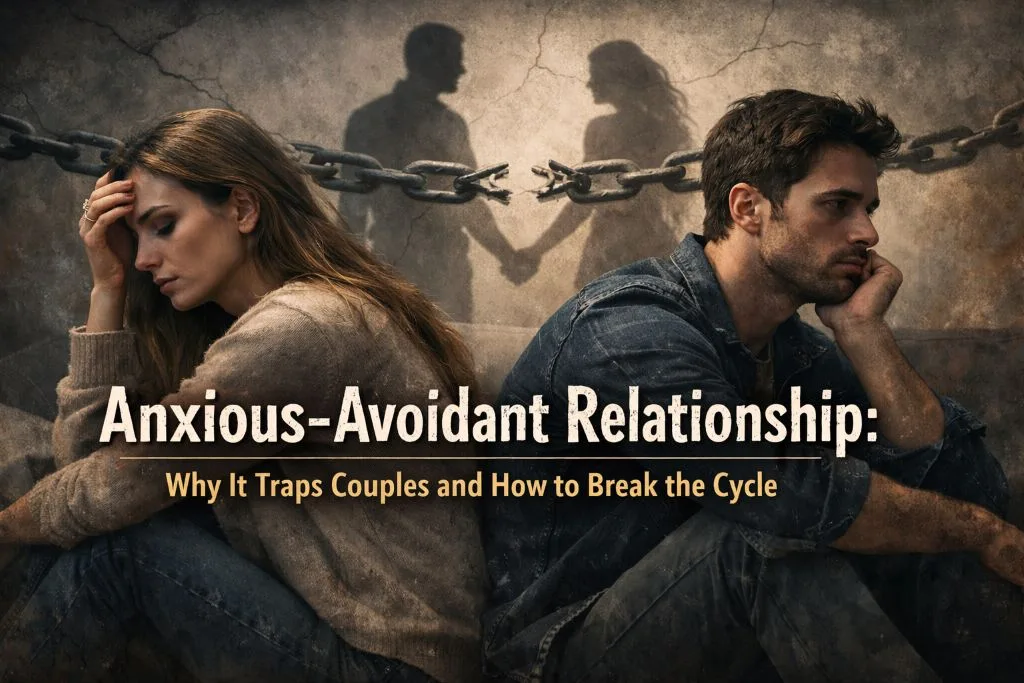
Some relationships feel like a dance where one partner is always reaching and the other is always stepping back. One wants more closeness. The other needs more space. The more one pursues, the more the other withdraws. The more the other withdraws, the more anxious the first becomes.
This is the anxious-avoidant relationship. It is one of the most painful and common patterns in modern relationships. It is also one of the most misunderstood.
As a father and someone who thinks deeply about how we relate to one another, I have seen this dynamic show up not only in romantic relationships but also in families, friendships, and even in the way parents connect with their children. Understanding the cycle is the first step toward breaking it.
In this post, I will explain what an anxious-avoidant relationship is, why it forms, how it traps both partners, and what you can do to move toward a healthier, more secure bond.
What Is an Anxious-Avoidant Relationship?
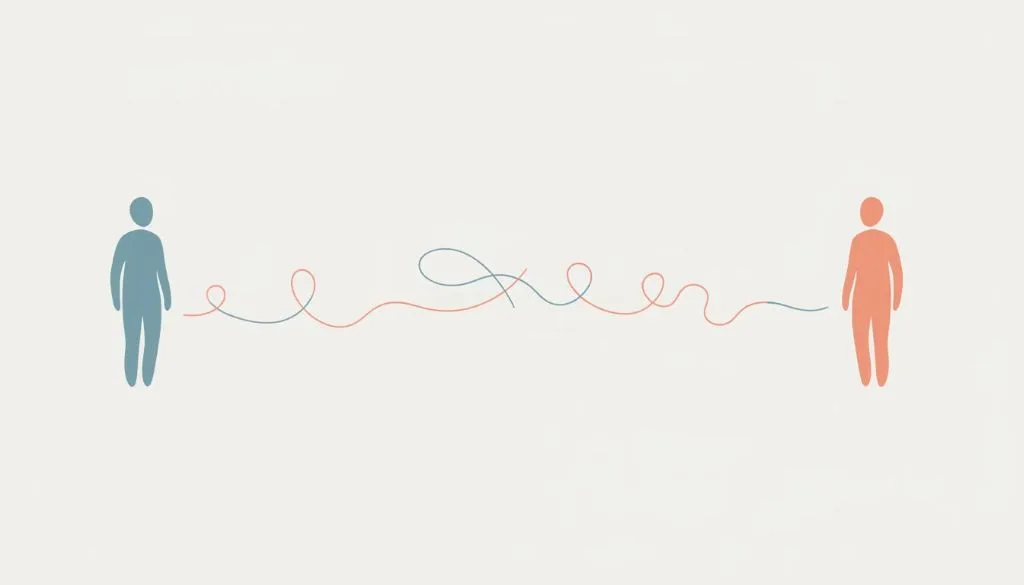
An anxious-avoidant relationship is a pairing where one partner has an anxious attachment style and the other has an avoidant attachment style. The anxious partner craves closeness, reassurance, and emotional connection. The avoidant partner values independence, space, and emotional self-containment.
At first, the attraction can feel magnetic. The avoidant partner appears confident and mysterious. The anxious partner appears warm and emotionally available. But over time, their attachment needs clash.
The anxious partner interprets distance as rejection. The avoidant partner interprets closeness as pressure. Each partner’s coping strategy triggers the other’s deepest fear.
If you want to understand each style more deeply, read my guides on Avoidant Attachment Style and Anxious Attachment Style.
The Pursue-Withdraw Cycle: How It Works
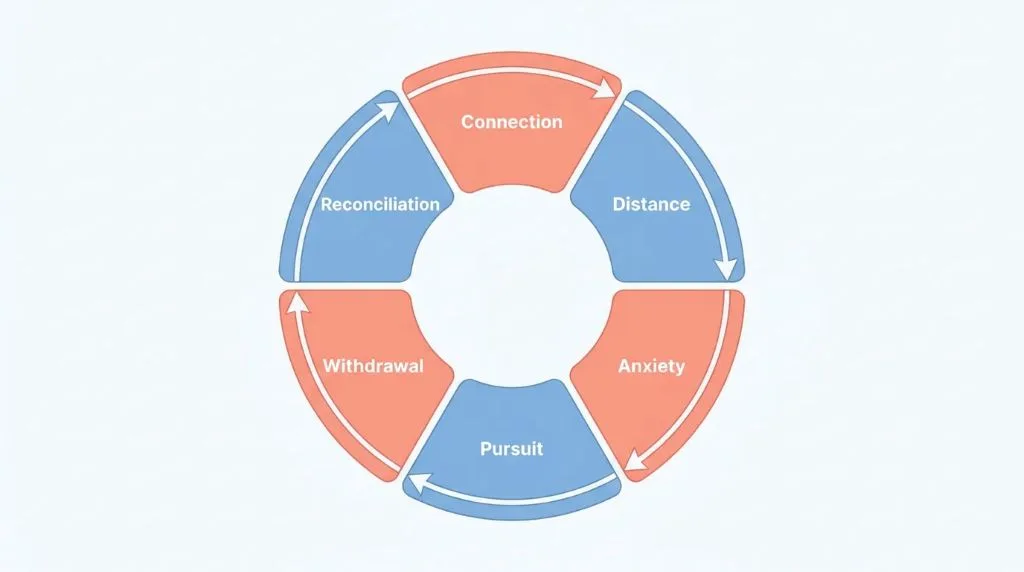
The anxious-avoidant relationship is driven by a cycle. It usually looks like this:
- The relationship begins with intimacy and hope.
- The avoidant partner starts to pull back, needing space.
- The anxious partner senses the distance and feels insecure.
- The anxious partner seeks reassurance through texts, questions, or emotional bids.
- The avoidant partner feels pressured and pulls back further.
- Conflict or shutdown.The anxious partner escalates or shuts down emotionally. The avoidant partner withdraws completely.
- One or both partners apologize, reconnect, and the cycle begins again.
This cycle can repeat for months or years. Each round deepens the wounds. The anxious partner feels abandoned. The avoidant partner feels suffocated. Both feel misunderstood.
Case Study: Mark and Tola
Mark has an avoidant attachment style. Tola has an anxious attachment style. When Tola asks Mark about his feelings, Mark becomes quiet. Tola interprets his silence as disinterest and asks more questions. Mark feels cornered and spends more time at work. Tola feels abandoned and sends long messages explaining her hurt. Mark stops responding. After two days, Tola apologizes for being “too much.” Mark returns, and the cycle restarts.
Neither partner is the villain. Both are responding to attachment wounds that began long before they met.
Why the Anxious-Avoidant Pairing Is So Common
It may seem strange that two people with opposite fears would attract each other. But the attraction makes sense.
The avoidant partner is drawn to the anxious partner’s warmth and emotional expressiveness. It feels like a safe way to receive connection without having to initiate it.
The anxious partner is drawn to the avoidant partner’s independence and calm. It feels like a challenge to win their love and approval.
In the beginning, each partner offers what the other lacks. Over time, the very qualities that attracted them become the source of conflict.
Dr. Sue Johnson, developer of Emotionally Focused Therapy, describes this dynamic as the “demon dialogue.” She writes:
“The most aggressive pursuer is often the most insecure partner, and the most withdrawn avoider is often terrified of failing at love.”
This reframes the pattern. The pursuer is not needy. The withdrawer is not cold. Both are protecting themselves from pain.
The Emotional Cost for Each Partner
For the Anxious Partner
- Constant fear of abandonment
- Hypervigilance to emotional cues
- Difficulty trusting stability
- Shame about needing reassurance
- Exhaustion from always initiating connection
For the Avoidant Partner
- Feeling trapped or controlled
- Emotional numbness or shutdown
- Guilt about not being able to meet their partner’s needs
- Loneliness masked by independence
- Fear that closeness will lead to loss of self
Both partners suffer. The anxious partner feels rejected. The avoidant partner feels inadequate. Neither feels truly seen.
Can an Anxious-Avoidant Relationship Work?
Yes, but not without effort. The relationship can work if both partners are willing to:
- Recognize the cycle
- Take responsibility for their own attachment patterns
- Learn new ways to communicate
- Create safety for both closeness and space
- Consider therapy, individually or as a couple
If only one partner is willing to change, the cycle usually continues. Both people must be committed to breaking the pattern.
How to Break the Anxious-Avoidant Cycle
Step 1: Name the Cycle, Not the Person
Stop blaming each other. Start naming the pattern. Instead of saying, “You never talk to me,” try saying, “We are in the cycle again. I am reaching, and you are pulling back.”
This shifts the fight from “me versus you” to “us versus the pattern.”
Step 2: The Anxious Partner Learns to Self-Soothe
The anxious partner must learn to manage anxiety without demanding immediate reassurance from their partner. This does not mean suppressing needs. It means building internal stability.
Exercise: The 20-Minute Rule
When you feel the urge to text, call, or demand reassurance, wait 20 minutes. Use that time to breathe, journal, or move your body. After 20 minutes, decide whether the issue truly needs a conversation or whether the anxiety has passed.
Step 3: The Avoidant Partner Learns to Stay Present
The avoidant partner must learn to stay emotionally present, especially when they feel the urge to withdraw. This does not mean abandoning boundaries. It means communicating instead of disappearing.
Exercise: The Pause and Return
When you feel overwhelmed, say: “I need a short break, but I am not leaving you. I will come back in 30 minutes.”
Then actually return. This builds trust.
Develop phrases that signal where you are in the cycle. For example:
- “I am feeling anxious and need reassurance.”
- “I am feeling overwhelmed and need space, but I still love you.”
- “We are in the cycle. Can we slow down?”
Shared language reduces misinterpretation.
Step 5: Redefine Closeness and Space
Both partners need to agree that closeness and space are not enemies. A healthy relationship includes both.
Create rituals that honor both needs:
- Daily check-ins for connection
- Scheduled alone time for the avoidant partner
- Weekly conversations about the relationship without pressure
Step 6: Consider Professional Support
A therapist trained in attachment work can help both partners see the cycle clearly. Emotionally Focused Therapy (EFT) is especially effective for anxious-avoidant couples.
For more on therapy options, see my post on Attachment Styles Therapy.
Download [Anxious-Avoidant Cycle Worksheet]
Anxious-Avoidant Dynamics in Parenting
This pattern does not stay in romantic relationships. It can also shape parenting.
An anxious parent may hover, over-explain, or seek constant reassurance from their child. An avoidant parent may be physically present but emotionally distant. When parents are caught in their own cycle, children can absorb the tension.
Healing the relationship between parents is one of the most powerful ways to create emotional safety for children. If you are parenting while working through attachment patterns, see my posts on How to Build Confidence in Children and Healthy Father-Son Relationship.

Frequently Asked Questions About Anxious-Avoidant Relationship
What is an anxious-avoidant relationship?
An anxious-avoidant relationship is a partnership where one person has an anxious attachment style and the other has an avoidant attachment style. The anxious partner seeks closeness and reassurance, while the avoidant partner values independence and space. Their needs often trigger a pursue-withdraw cycle.
Why do anxious and avoidant partners attract each other?
They are often drawn to what the other represents. The anxious partner admires the avoidant partner’s independence. The avoidant partner is comforted by the anxious partner’s warmth and emotional availability. Early in the relationship, these differences feel complementary.
Can an anxious-avoidant relationship last?
Yes, but it requires both partners to recognize the cycle, communicate differently, and often seek therapy. If only one partner is willing to change, the pattern usually continues and may lead to resentment or separation.
How do I stop the pursue-withdraw cycle?
Name the cycle instead of blaming each other. The anxious partner can practice self-soothing. The avoidant partner can practice staying present and communicating before withdrawing. Couples therapy, especially EFT, can also help.
Is the anxious partner too needy?
No. The anxious partner is responding to real emotional cues and unmet needs. Labeling them as “needy” ignores the attachment wound underneath. What helps is reassurance delivered in a calm, consistent way.
Not necessarily. Many avoidant partners deeply desire connection but fear it will cost them their autonomy or lead to rejection. With safety and patience, they can learn to open up.
What therapy is best for anxious-avoidant couples?
Emotionally Focused Therapy (EFT) is considered one of the most effective approaches. It helps couples identify the cycle, understand each partner’s underlying emotions, and create secure attachment bonds.
How does an anxious-avoidant relationship affect children?
Children can sense tension, inconsistency, and emotional unavailability. They may develop their own insecure attachment patterns. Healing the parental relationship and modeling healthy communication helps protect children.
Can two avoidant people be in a relationship?
Yes, but the relationship may lack emotional depth. Both partners may avoid conflict and intimacy, leading to distance and loneliness. Growth requires both to risk vulnerability.
Can two anxious people be in a relationship?
Yes, but both may seek constant reassurance, which can create pressure and conflict. Growth requires both to develop self-soothing skills and healthy boundaries.
Conclusion on Anxious-Avoidant Relationship
The anxious-avoidant relationship is not a mismatch of love. It is a mismatch of attachment needs. Both partners want connection. Both fear something: the anxious partner fears abandonment, and the avoidant partner fears engulfment.
Breaking the cycle takes courage. It requires both partners to stop defending their positions and start understanding the fear beneath them. It requires new language, new rituals, and sometimes professional support.
If you see yourself in this pattern, know that change is possible. The first step is naming the cycle. The next step is choosing, together, to step out of it.
Your next step: Download the free Anxious-Avoidant Cycle Worksheet and start identifying your patterns this week. If you want to understand the individual attachment styles more deeply, read my posts on Avoidant Attachment Style and Anxious Attachment Style.
References
- Johnson, S. (2008). Hold Me Tight: Seven Conversations for a Lifetime of Love. Little, Brown Spark.
- Levine, A., & Heller, R. (2010). Attached: The New Science of Adult Attachment and How It Can Help You Find—and Keep—Love.
- Fraley, R. C., & Shaver, P. R. (2000). Adult romantic attachment: Theoretical developments, emerging controversies, and unanswered questions. Review of General Psychology.
- Bowlby, J. (1988). A Secure Base: Parent-Child Attachment and Healthy Human Development. Basic Books.
- Ainsworth, M. D. S., Blehar, M. C., Waters, E., & Wall, S. (1978). Patterns of Attachment: A Psychological Study of the Strange Situation. Lawrence Erlbaum.