Views: 2
Explore the evolution of fatherhood from traditional roles to modern parenting. Discover how emotional engagement, shared responsibilities, and equality empower fathers and daughters to build stronger bonds and foster lasting connections.
Table of Contents
- Introduction: Contrasting Traditional vs. Modern Perceptions of Fatherhood
- The Impact of Changing Gender Roles: How Shifts Affect Father-Daughter Dynamics
- Fathers as Equal Partners in Parenting: The Benefits of Shared Responsibility
- What Daughters Learn from Modern Fathers: Lessons in Equality, Empathy, and Resilience
- Expanding Fatherhood: Opportunities for Greater Involvement
- Conclusion: Celebrating the Progress and Potential for Even Stronger Bonds
- FAQs About Evolution of Fatherhood
Introduction: Contrasting Traditional vs. Modern Perceptions of Fatherhood
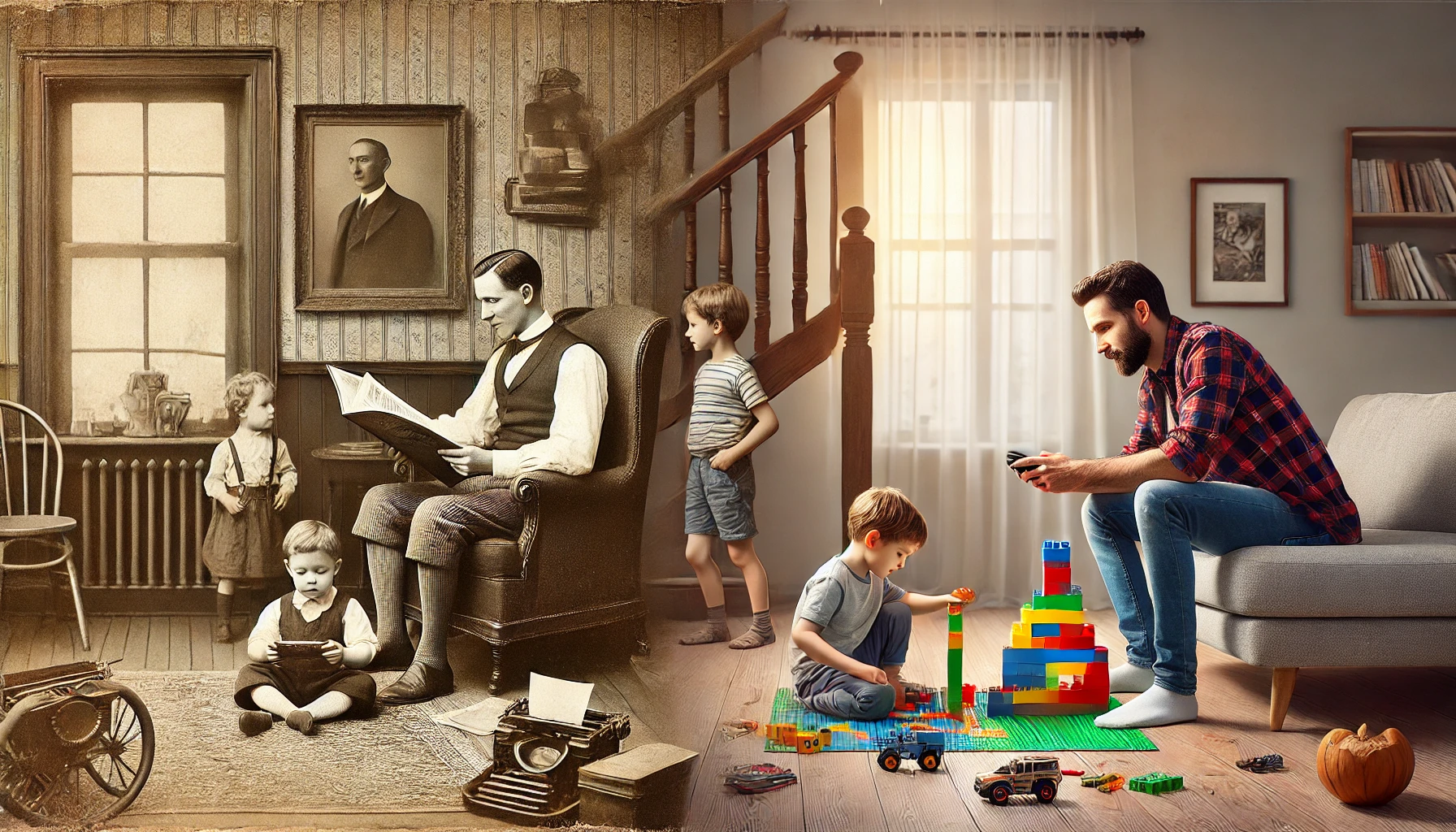
Fatherhood has long been a cornerstone of family and societal structures. Traditionally, fathers were often viewed as the breadwinners and disciplinarians—figures of authority rather than emotional connection. They were expected to provide financial support while mothers handled the nurturing and caregiving roles.
However, as societal norms shift, so too does the perception of what it means to be a father. Modern fatherhood embraces emotional engagement, shared parenting responsibilities, and nurturing relationships. Fathers are no longer confined to being providers but are also caregivers, mentors, and equal partners in parenting. This evolution has brought about a deeper understanding of father-daughter dynamics, offering opportunities for stronger, more meaningful bonds.
This article explores the transformation of fatherhood, focusing on its impact on father-daughter relationships, the lessons daughters learn from modern fathers, and how shared parenting fosters equality and empathy. Along the way, we’ll celebrate the progress that has been made and envision the future potential of fatherhood.
RELATED: Studies on Emotionally Absent Fathers
The Impact of Changing Gender Roles: How Shifts Affect Father-Daughter Dynamics
The changing landscape of gender roles has played a pivotal role in reshaping fatherhood. Over the past few decades, the lines between “traditional” roles of men and women have blurred. More women are pursuing careers, and more men are taking active roles in parenting. These shifts significantly affect the father-daughter dynamic in profound and meaningful ways.
- Breaking Stereotypes: Historically, daughters often turned to their mothers for emotional support and nurturing, while fathers provided discipline and financial stability. Today, fathers are more involved in caregiving, creating opportunities for daughters to see men as empathetic and caring figures. This shift helps dismantle stereotypes that portray men as emotionally distant or uninvolved.
- Modeling Gender Equality: When fathers share household and parenting responsibilities, daughters grow up witnessing equitable partnerships. This modeling can inspire daughters to pursue their ambitions without being bound by outdated gender norms. A father who cooks dinner, attends parent-teacher meetings, or comforts his child after a tough day shows his daughter that success and caregiving are not tied to gender.
- Emotional Intelligence: Fathers who prioritize open communication and emotional availability contribute to their daughters’ emotional growth. This involvement fosters emotional intelligence, as daughters learn the importance of expressing and managing their feelings. The father-daughter bond becomes a safe space where daughters can explore their emotions without fear of judgment.
- Expanding Opportunities: Fathers’ involvement in their daughters’ lives often opens doors to new experiences, from encouraging participation in traditionally male-dominated fields to supporting hobbies and interests that defy gender expectations. This encouragement builds confidence and broadens horizons.
Gone are the days when parenting was seen as predominantly a mother’s responsibility. Modern fathers are stepping up to share the load, and the benefits of this approach are numerous, not only for the family but also for society as a whole.
- Stronger Family Bonds: When fathers actively participate in parenting, they contribute to creating a unified family dynamic. Daughters feel valued and supported, leading to a sense of security and trust. A father’s presence in daily activities, from bedtime routines to school projects, strengthens emotional connections within the family.
- Balanced Work-Life Dynamics: Fathers who take on parenting responsibilities help reduce the burden on mothers, allowing both parents to achieve better work-life balance. This shared responsibility ensures that no parent is overwhelmed, leading to a healthier and more harmonious family environment. Daughters who witness this balance grow up with realistic expectations of partnership and collaboration in their own lives.
- Improved Child Development: Research shows that children with involved fathers have higher self-esteem, better academic performance, and stronger social skills. For daughters, this involvement is particularly impactful, as it instills a sense of resilience and confidence. They learn to navigate challenges with the assurance that they are supported by both parents.
- Reducing Parental Burnout: Parenting can be demanding, and shared responsibilities alleviate stress for both parents. Fathers who embrace active roles in caregiving also develop a deeper appreciation for the complexities of parenting. This empathy strengthens their bond with their partner and enhances their understanding of their child’s needs.
- Breaking Generational Cycles: By sharing parenting responsibilities, fathers challenge the traditional norms they may have grown up with. This shift not only benefits their children but also sets a precedent for future generations, promoting a culture of equality and respect.

What Daughters Learn from Modern Fathers: Lessons in Equality, Empathy, and Resilience
Modern fathers impart invaluable lessons to their daughters, shaping their perspectives and empowering them for the future. These lessons go beyond the confines of traditional parenting and help daughters navigate a complex and ever-changing world.
- The Value of Equality: Modern fathers teach their daughters that men and women can share responsibilities equally. By observing their fathers’ active involvement at home, daughters grow up understanding that gender does not define capabilities. This perspective enables daughters to pursue careers, relationships, and goals without internalizing limiting beliefs.
- Empathy and Emotional Strength: Fathers who openly communicate and share their emotions demonstrate the importance of empathy. This emotional availability helps daughters develop strong interpersonal skills and reinforces the value of vulnerability. When fathers listen attentively and offer guidance, they show that understanding and compassion are strengths, not weaknesses.
- Resilience and Confidence: Fathers often encourage their daughters to take risks, face challenges, and stand up for themselves. Whether it’s through teaching them to ride a bike, helping with a science project, or supporting their first job application, fathers play a pivotal role in building their daughters’ resilience. This foundation prepares daughters to tackle life’s adversities with determination and poise.
- Healthy Relationships: A strong father-daughter bond sets a foundation for daughters to establish healthy relationships. Fathers who treat their partners with respect and equality provide a blueprint for their daughters’ future relationships. This dynamic helps daughters recognize red flags and understand the value of mutual respect and communication in partnerships.
- Lifelong Skills and Independence: Fathers who involve their daughters in activities like fixing household items, budgeting, or engaging in outdoor adventures teach them valuable life skills. These experiences foster independence and a sense of self-sufficiency, ensuring that daughters feel capable of navigating the world on their own terms.
SEE ALSO:
- Parental Alienation: What It Is, Why It Matters, and How to Protect Your Rights in Family Court
- The Power of Stepfather Daughter Love: Building Strong Bonds in Blended Families
Expanding Fatherhood: Opportunities for Greater Involvement
The modern father’s role is ever-evolving, and there are countless opportunities for deeper involvement. From participating in school events to advocating for their daughters’ interests, fathers have the power to make lasting impressions. Additionally, fathers who educate themselves about issues such as gender inequality, mental health, and societal pressures can provide even more nuanced support.
- Advocating for Equal Opportunities: Fathers can actively support their daughters in pursuing education and careers in fields that have traditionally been male-dominated. By championing their daughters’ ambitions, they contribute to breaking barriers and promoting gender equality.
- Promoting Mental Wellness: Fathers who prioritize mental health conversations create a safe space for their daughters to discuss their emotions and challenges. This openness reduces stigma and encourages daughters to seek help when needed.
- Celebrating Milestones: Fathers who celebrate their daughters’ achievements—big or small—foster a sense of accomplishment and pride. These moments of recognition strengthen the bond and reinforce the idea that effort and perseverance are worthwhile.
- Creating Traditions: From weekend outings to bedtime stories, fathers can establish traditions that create cherished memories. These rituals become anchors in their daughters’ lives, providing comfort and continuity.
Conclusion: Celebrating the Progress and Potential for Even Stronger Bonds
The evolution of fatherhood is a testament to society’s progress toward equality, empathy, and inclusivity. As traditional roles give way to shared responsibilities and deeper emotional connections, fathers have the opportunity to forge stronger, more meaningful relationships with their daughters.
By embracing modern fatherhood, fathers not only empower their daughters but also contribute to a society that values compassion, equality, and resilience. The journey of fatherhood is one of growth and transformation—a journey that continues to enrich the lives of fathers and daughters alike.
Let us celebrate the modern father, a figure who is not just a provider but a nurturer, a guide, and an equal partner in parenting. The evolution of fatherhood is not just a shift in roles; it is a celebration of the enduring bond between father and daughter, a bond that holds the promise of a brighter, more equitable future.

FAQs About Evolution of Fatherhood
Q1. What is the modern perception of fatherhood?
Modern fatherhood emphasizes emotional engagement, shared parenting responsibilities, and active participation in a child’s upbringing. Unlike traditional perceptions, modern fathers are nurturers, guides, and equal partners in parenting.
Q2. How do changing gender roles affect father-daughter relationships?
Changing gender roles allow fathers to be more involved in caregiving, fostering closer bonds with their daughters. This dynamic helps daughters see men as empathetic and supportive figures, breaking gender stereotypes.
Q3. What are the benefits of fathers being equal partners in parenting?
Fathers who share parenting responsibilities create stronger family bonds, reduce parental burnout, and model equality for their children. This approach also promotes better child development and balanced family dynamics.
Q4. What lessons do daughters learn from modern fathers?
Daughters learn the value of equality, empathy, and resilience. Modern fathers also inspire confidence, teach emotional intelligence, and set examples for healthy relationships.
Q5. How can fathers foster healthy relationships with their daughters?
Fathers can foster healthy relationships by being emotionally available, engaging in open communication, sharing parenting responsibilities, and modeling respectful behavior toward their partners.
Q6. Why is modern fatherhood important for society?
Modern fatherhood contributes to building a society that values equality, empathy, and resilience. By challenging traditional norms, fathers help create a more inclusive and balanced environment for future generations.
Q7. How can fathers encourage their daughters to explore non-traditional roles?
Fathers can encourage exploration by exposing their daughters to diverse opportunities, challenging stereotypes, and actively supporting their interests. Whether it’s introducing them to STEM activities or encouraging leadership roles, fathers play a crucial role in broadening their daughters’ horizons.
Q8. What is the role of fathers in promoting mental health for their children?
Fathers can promote mental health by creating an open, non-judgmental space for communication. Encouraging discussions about emotions and seeking professional help when needed reinforces the importance of mental wellness.
Q9. How does modern fatherhood influence future generations?
By modeling empathy, equality, and resilience, modern fathers lay the groundwork for future generations to embrace these values. Children raised in such environments are more likely to carry these principles into their own families and communities.
Q10. What challenges do modern fathers face in balancing roles?
Modern fathers often navigate societal expectations, work demands, and evolving family dynamics. Addressing these challenges requires open communication with partners, flexible workplace policies, and prioritizing family time to ensure a balanced and fulfilling role.